 Reviews


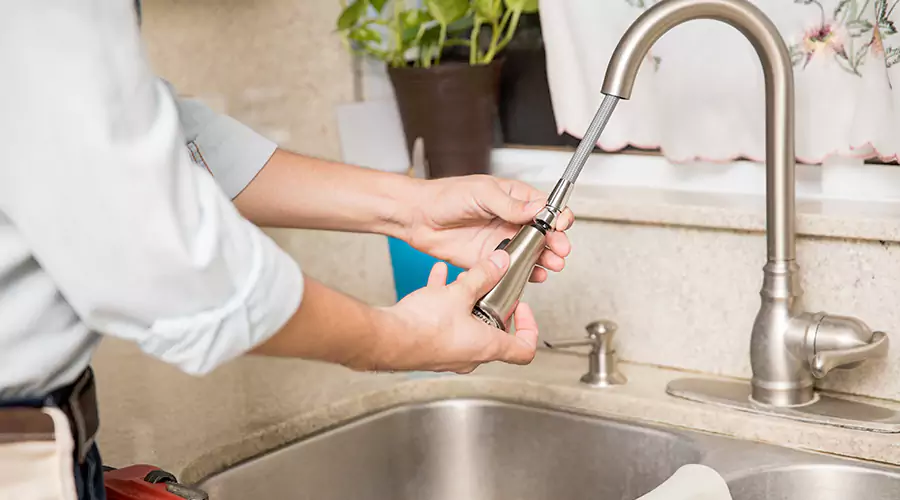
Plumbing problems usually give warning signs before they turn into expensive damage. A quick, structured inspection helps you catch leaks, prevent clogs, protect your water heater, and avoid surprise repair bills. This checklist is designed for homeowners who want a practical routine they can repeat every season.
Use this guide as a walk-through. You do not need to be a plumber to spot early issues, but you should know when to stop and call a licensed professional.
Before You Start
What you need
- Flashlight
- Paper towels or a rag
- Small bucket
- Adjustable wrench
- Water pressure gauge (optional, inexpensive)
- Phone camera (to document findings)
Safety basics
- Know where your main water shut-off valve is.
- If you see active dripping near electrical outlets, do not touch anything. Shut off water and call a professional.
- Avoid chemical drain cleaners during plumbing inspection. They can damage pipes and complicate professional repairs.
1) Main Water Supply and Shut-Off Valves
Locate and test the main shut-off
- Find the main shut-off valve near the water meter or where the water line enters the home.
- Turn it off and back on slowly to confirm it moves.
- If the valve is stuck, corroded, or leaking, note it for replacement.
Check fixture shut-offs
- Under sinks and behind toilets, you should have small shut-off valves.
- Look for corrosion or mineral buildup.
- Gently turn valves a quarter turn and back.
- Replace any valve that leaks when touched.
2) Water Pressure and Flow
Quick pressure check
- If you have a gauge, attach it to an outdoor spigot or laundry faucet.
- Typical home pressure is often comfortable between 40 and 60 psi.
- Pressure above 80 psi can stress fixtures, hoses, and appliances.
Signs of pressure problems
- Sudden drops in pressure at multiple fixtures
- Banging pipes when turning faucets off
- Frequent leaks or dripping after repairs
If you suspect high pressure, a pressure reducing valve may need adjustment or replacement.
3) Visible Pipes and Under-Sink Areas
Under every sink
- Open cabinets under kitchen and bathroom sinks.
- Wipe supply lines and shut-offs with a paper towel and check for moisture.
- Look for green or white crust on fittings, which can signal slow leaks.
- Check the P-trap for drips, corrosion, and loose slip joints.
Exposed pipes in basements, garages, or utility rooms
- Look for rust, pitting, or bulging.
- Check pipe supports. Sagging pipes can strain joints.
- Note any water stains on nearby framing, drywall, or flooring.
4) Toilets: Leaks, Flushing, and Hidden Waste
Test for a silent leak
- Add a few drops of food coloring to the toilet tank.
- Wait 10 to 15 minutes without flushing.
- If color appears in the bowl, the flapper is leaking.
Check these common issues
- Running toilet: water keeps refilling or you hear a hiss
- Loose base: toilet rocks, which can damage the wax ring
- Moisture at the base: can indicate a failed wax ring or a cracked toilet
A running toilet can waste a significant amount of water, so fix it quickly.
5) Faucets, Showerheads, and Tubs
Faucets
- Turn each faucet on and off.
- Check for drips at the spout and around the handle.
- Confirm hot and cold are correctly oriented.
Showerheads
- Look for uneven spray patterns.
- Remove mineral buildup by soaking the head in vinegar if needed.
Tub and shower drains
- Check for slow drainage, which often signals hair or soap buildup.
- Look at caulk and grout lines. Failed seals can cause hidden water damage behind walls.
6) Drains and Sewer Warning Signs
Check drainage speed
Run water in:
- Kitchen sink
- Bathroom sink
- Tub or shower
Watch for slow drains, gurgling sounds, or bubbles.
Red flags that suggest a bigger issue
- Multiple fixtures draining slowly at the same time
- Sewage odors near drains
- Water backing up in a tub when a toilet flushes
Find the cleanout
- Many homes have a sewer cleanout, often outside or in a basement.
- Make sure the cap is secure and not leaking.
- If you see standing water or residue around the cleanout, call a plumber.
7) Water Heater Inspection
Visual check
- Look for water on the floor or rust streaks on the tank.
- Check the top connections for corrosion.
- Verify the temperature setting is around 120 F for comfort and safety.
Pressure relief valve
- The temperature and pressure relief valve should not be dripping.
- If it drips regularly, it could mean excess pressure or a failing valve.
- Do not ignore this. It is a safety component.
Signs your heater needs service
- Rumbling or popping noises
- Hot water that runs out quickly
- Discolored hot water
- Leaks at the base
8) Appliance Connections
Washing machine
- Inspect hoses for bulges, cracks, or corrosion at fittings.
- If hoses are rubber and older, consider braided stainless steel replacements.
Dishwasher
- Look under the dishwasher area for dampness.
- Check the supply line and drain line if accessible.
Refrigerator ice maker
- Inspect the small supply line for kinks and slow leaks.
- Feel the floor behind the fridge for moisture.
9) Outdoor Plumbing and Seasonal Items
Outdoor faucets
- Turn them on and check for dripping at the handle and spout.
- Replace worn washers if you see drips.
Hoses and sprinkler connections
- Inspect hoses for cracks.
- Look for soggy areas in the yard that could indicate an irrigation leak.
Drainage around the foundation
Downspouts should direct water away from the home. Poor drainage can contribute to basement moisture and sump pump overwork.
10) Document, Prioritize, and Plan Repairs
Use your phone to take photos of:
- Corroded fittings
- Moisture stains
- Leaking valves
- Any damage under sinks or around toilets
Then prioritize:
- Active leaks and water heater issues
- Sewer backups, odors, or multi-fixture slow drains
- High water pressure problems
- Minor drips, mineral buildup, and worn caulk
When to Call a Licensed Plumber?
Safety box: Call a licensed plumber if you find water near electrical components, see leaks in walls or ceilings, smell sewage, have backups in multiple fixtures, or notice water heater leaks or gas odors. These issues can involve hidden damage, safety hazards, or main line problems.
Final Thoughts
A home plumbing inspection does not take long, but it can prevent major damage. If you catch leaks early, maintain healthy drains, and keep your water heater in good shape, you will save money and avoid emergencies.
Need help with anything you found on this checklist? Contact a licensed plumbing professional for a proper diagnosis and a long-lasting repair.
Frequently Asked Questions
How often should I do a plumbing inspection?
A quick check every season is ideal. Do a more thorough inspection once a year, especially in older homes.
What is the fastest way to spot a hidden leak?
Watch your water meter. If it changes when all water is off, you likely have a leak.
Is low water pressure always a plumbing problem?
Not always. Sometimes it is a municipal supply issue, but persistent low pressure can also signal leaks, corrosion, or a failing pressure valve.
Should I flush my water heater every year?
Many homes benefit from a yearly flush, especially in hard water areas. If you are unsure, ask a plumber to inspect it.
Are chemical drain cleaners ever a good idea?
They can damage pipes and are risky if a plumber needs to work on the line later. Mechanical cleaning and enzyme-based options are safer.